Your Save File Is a Time Machine: Games That Remember You
Look, I have a soft spot for save files. Not because I am sentimental about data—well, maybe a little—but because a save file is basically a little time capsule. It remembers who you were, what you chose, and sometimes even who you loved. And yet, for a medium built on sequels, surprisingly few games actually let you carry that history forward. Most sequels hit a soft reset button, hand you a new protagonist, and politely pretend your previous adventure never happened. Honestly? That stings a bit.
But some games do it right. They let your progress, your appearance, or your messy moral decisions follow you into the next chapter. In 2026, with remastered collections and long-running live-service worlds everywhere, that continuity feels more precious than ever. Here are the games that turned cross-game progression from a technical gimmick into something that actually matters.
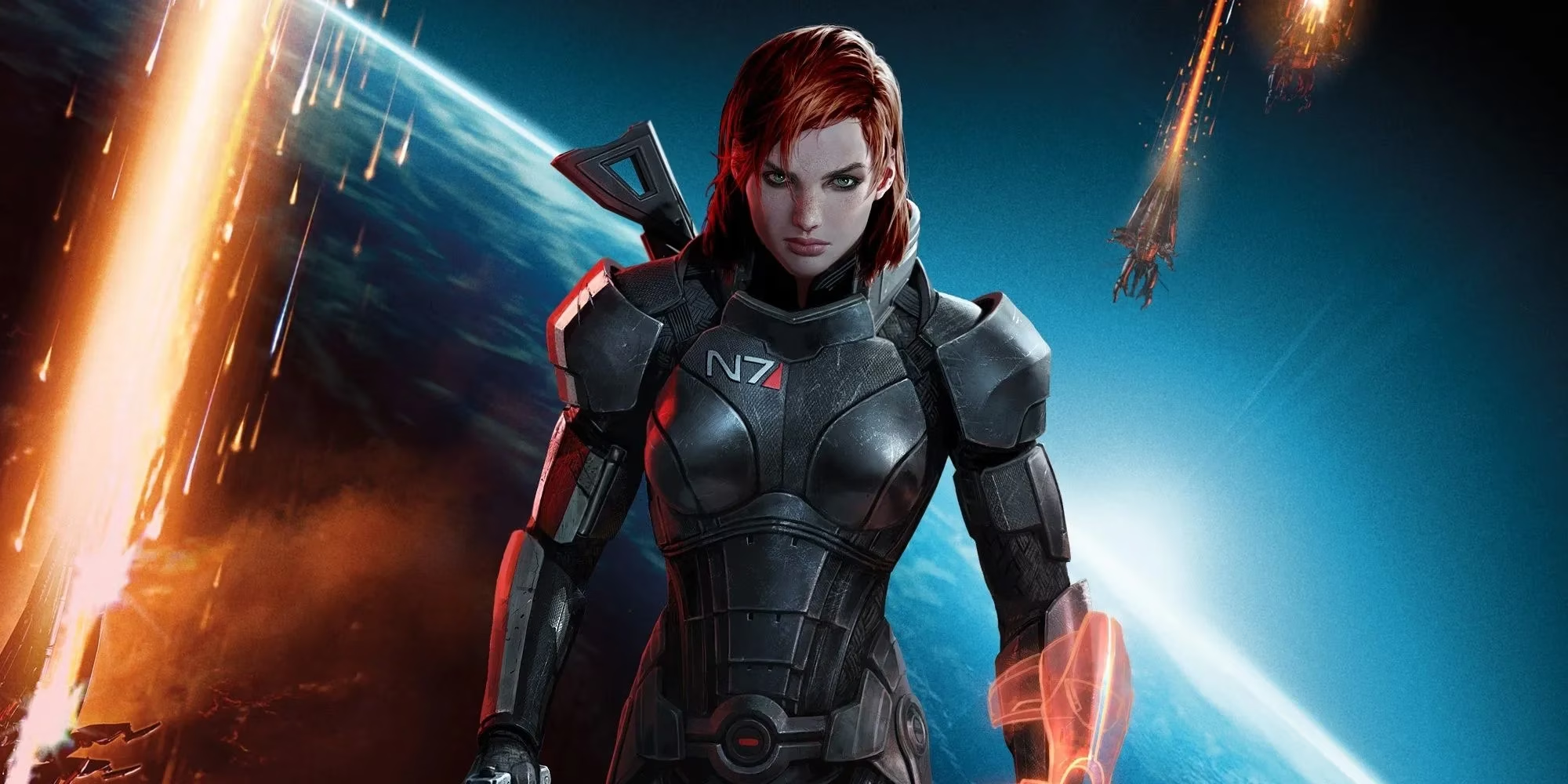
Mass Effect: the trilogy that made importing feel essential
BioWare's original Mass Effect trilogy is the gold standard for me. You make big choices, small choices, and choices you do not even realize are choices until two games later. Commander Shepard became a fan favorite partly because you could import your profile across all three games. Your face, your class, your relationships, your questionable decision to trust someone you probably should not have—all of it came along for the ride.
Mass Effect Legendary Edition made this even smoother by automatically carrying your appearance and story decisions across all three games. No fuss. No drama. Just continuity. That is the dream, right? A trilogy that treats your save file like a promise instead of a temporary file.
The Walking Dead: choices that haunt you across seasons
Telltale's The Walking Dead is built on branching dialogue and impossible decisions. Your experience will not be the same as mine, and that is the point. The choices you make in that zombie-infested, post-apocalyptic world follow you across all four seasons. The standalone chapters, 400 Days and Michonne, are also part of the bigger picture, and The Walking Dead: The Telltale Definitive Series pulls everything together in one place.
What I love here is that the game does not just remember whether you were nice or mean. It remembers who you protected, who you abandoned, and who you failed. That is heavy. But it is also why those seasons hit so hard.
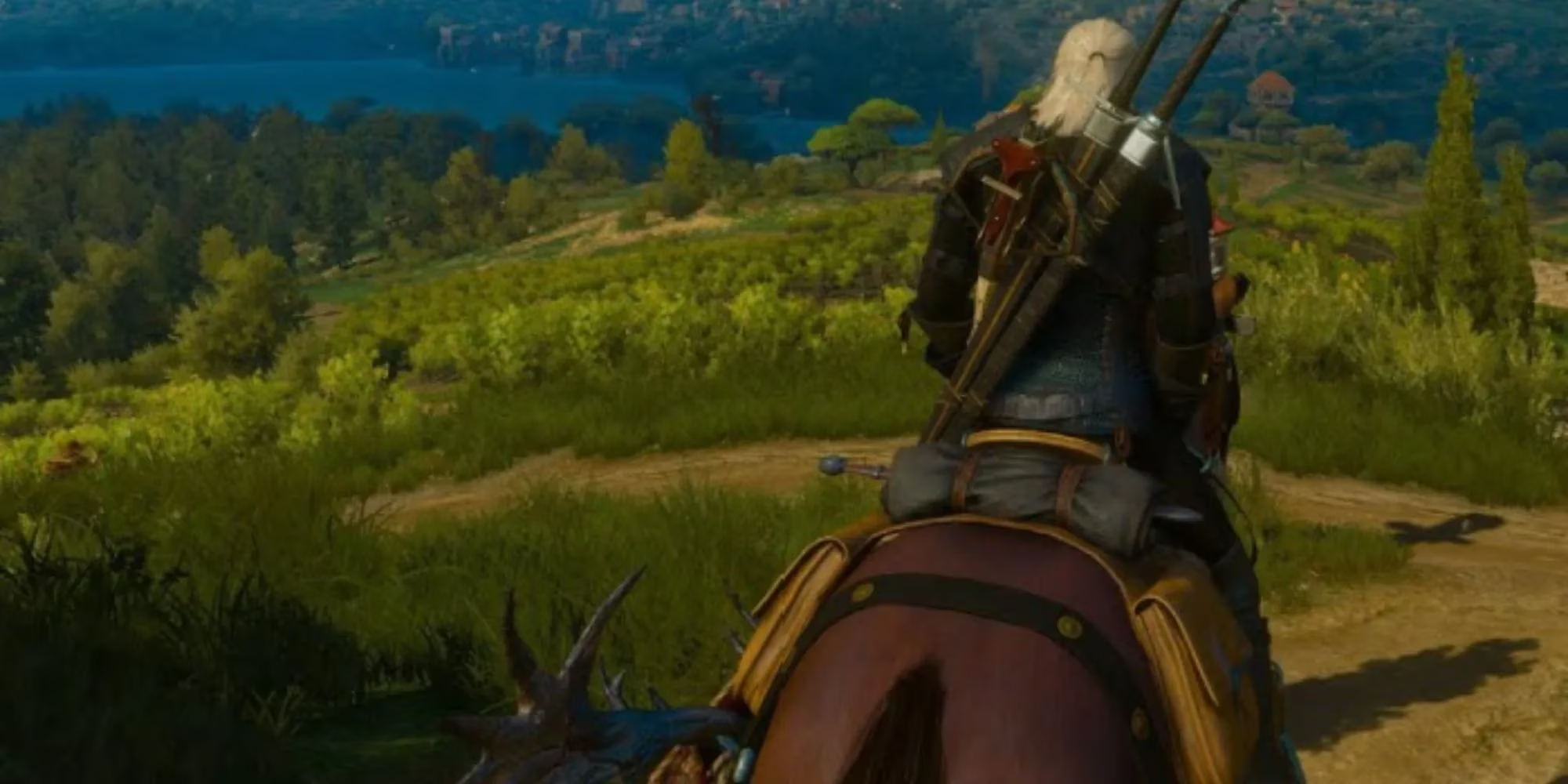
The Witcher 3: when a questionnaire does the remembering
The Witcher 3 takes a different route. Instead of importing a save file directly, it asks you a series of questions about the decisions you made in The Witcher 2. That was a clever workaround, especially because The Witcher 3 was the first game in the series to land on PlayStation consoles. If you had played The Witcher 2 on Xbox 360 or PC but wanted to continue on PlayStation, you could still shape the world to match your old choices.
It is not as seamless as a direct import, but it works. The game quietly holds onto your version of events like a friend who never forgets. And in a world as politically messy as The Witcher's, that little bit of continuity goes a long way.
The rest of the class: a quick tour
Here is where things get interesting. Cross-game progression is not just about RPGs with imported faces. It shows up in all sorts of strange and wonderful places.
| Game | How progress carries forward | Why it matters |
|---|---|---|
| Hitman 3 | All three World of Assassination games are accessible from one hub menu | It creates a unified trilogy instead of three separate products |
| Destiny 2 | A one-time character migration let players bring their Guardian's appearance and achievements forward | It honored years of investment, even if the window was limited |
| Dragon Ball Xenoverse 2 | Save data from the first game imports your character's appearance and items, and a holographic statue appears in the hub | It is a fun nod to your past hero without forcing the same story |
| Guild Wars 2 | The Hall of Monuments from Eye of the North grants titles and rewards in the sequel | It rewards veterans without making new players feel locked out |
| Eiyuden Chronicle: Hundred Heroes | The team promised some link between Rising and Hundred Heroes, though details remain vague | It turns a prequel spin-off into a long-term investment |
| Looney Tunes Collector: Martian Revenge | Trading between Martian Alert and Martian Revenge was needed to collect all 47 characters | It was a bold, weird, and very handheld idea |
| Pokemon | Since the third generation, players have technically been able to transfer Pokemon forward across games and generations | It is the pinnacle of emotional continuity |
Hitman 3 deserves a special mention because it does not rely on character customization at all. Instead, IO Interactive built a hub that treats the trilogy as one big playground. The hub menu is basically a family reunion for every location, target, and ridiculous disguise you have unlocked. It is not deep RPG progression, but it is unity. And unity matters.
Destiny 2 is a bittersweet example. When Bungie launched the sequel, a character migration event let longtime players bring their Guardian's appearance and achievements into the new game. But it was a one-time opportunity, and latecomers missed out. That stung. Since then, Destiny 2 has been designed with a much longer lifespan in mind, and the lesson is clear: players hate losing the version of themselves they spent years building.
Dragon Ball Xenoverse 2 is a delight for a different reason. The hero in the sequel is not the same character from the first game, but you can import your original Dragon Ball character's appearance and items using save data. Even better, a holographic statue of your old hero appears in the center of the hub world. It is a small touch, but it makes the world feel like it remembers you. That is the kind of weird, sentimental detail I live for.
Guild Wars 2 handles things through the Hall of Monuments. The Eye of the North expansion for the original Guild Wars let players earn titles and rewards that carried into the sequel. It was a smart way to reward veterans without making new players feel like they had missed the boat. MMO sequels are rare for a reason—players hate leaving their established homes—but Guild Wars 2 made the transition feel worthwhile.
Eiyuden Chronicle: Hundred Heroes is still a bit of a mystery. The crowdfunding campaign promised a spin-off prequel, Eiyuden Chronicle: Rising, and the development team said there would be some way of linking progress between the two games. What that looks like exactly has not been fully spelled out. Maybe collectibles, maybe weapons, maybe something stranger. Either way, the promise alone is enough to make me curious.
Looney Tunes Collector: Martian Revenge is the chaotic wildcard of this list. Released just months after Martian Alert, the sequel put you in the role of Marvin the Martian instead of Bugs Bunny. To progress through its Zelda-like world, you had to recruit characters and use their abilities. Not all 47 characters could be unlocked in either game alone, so you had to trade between the two. It was a totally original concept for portable games, and it definitely did not borrow anything from a certain monster-catching phenomenon. Definitely not. Moving on.
Pokemon: the beating heart of cross-game progression
And then there is Pokemon. The absolute pinnacle. Transferring between Red, Blue, and later Yellow was revolutionary in itself. But moving your favorite Pokemon into Gold and Silver? That was something else altogether. Since the third generation on Game Boy Advance, players have technically been able to transfer Pokemon all the way to the latest games on Nintendo Switch. Many studios have tried to emulate that ambitious formula over the decades, but few have captured the same magic.
There is something special about the bonds players form with Pokemon they have stuck with for years. It is not just data. It is memory. It is the level 100 Pikachu you raised as a kid, the starter you refused to evolve, the shiny you hunted for weeks. In 2026, with Pokemon HOME and various legacy transfer systems still keeping those connections alive, that continuity remains a quiet miracle.
So yes, I am still waiting for more games to treat save files like time machines. Not every sequel needs to import everything. But when a game remembers you—your face, your choices, your ridiculous collection of hats—it stops feeling like a product and starts feeling like a place. And that is worth preserving.
Discussion