When Devs Hit Delete: 10 Original Endings That Never Shipped
Everyone loves a memorable finale, but in the world of video games, sticking the landing is a whole different ball game. The pressure on writers is immense—get it wrong and years of work can go down the drain. Sometimes, during the brutal process of development, entire climaxes get ripped out and replaced with something completely different. It’s a real bummer when a beloved story almost took a sharp left turn into WTF-ville. From last-minute rewrites to entire narrative arcs being scrapped, here are ten games whose original endings were totally redone.
Deus Ex
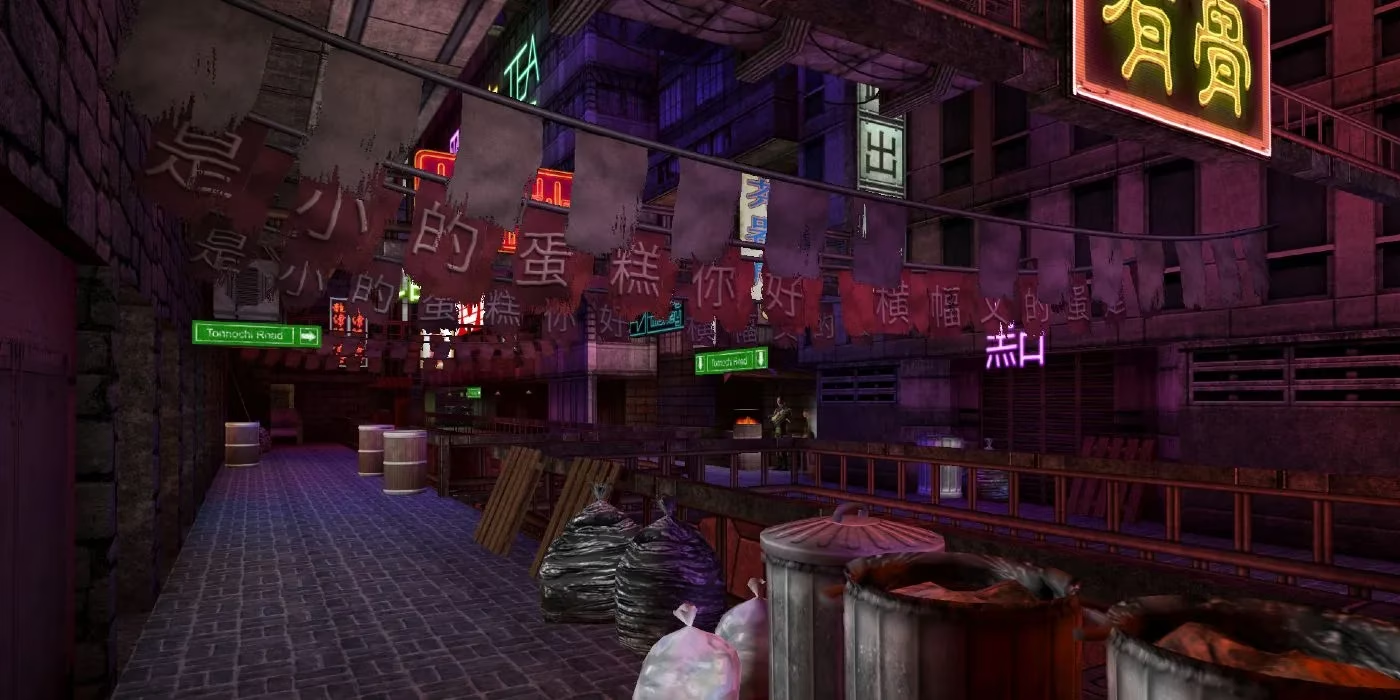
Ion Storm’s 2000 cyberpunk masterpiece Deus Ex is still the gold standard for player choice, with three distinct factions to back in the final showdown against Bob Page. But series creator Warren Spector dropped a bombshell during a playthrough: there was originally a fourth ending. In this deleted finale, you let Page succeed in merging with Helios, and he rewards you by making you his second-in-command—even handing over the keys to rule all of Europe. Talk about a promotion, eh? The idea was ultimately cut, partly because it felt like a total betrayal of the game’s themes. To this day, fans still argue whether that scrapped ending would’ve been the ultimate mind-bender or a total cop-out.
Mafia 2
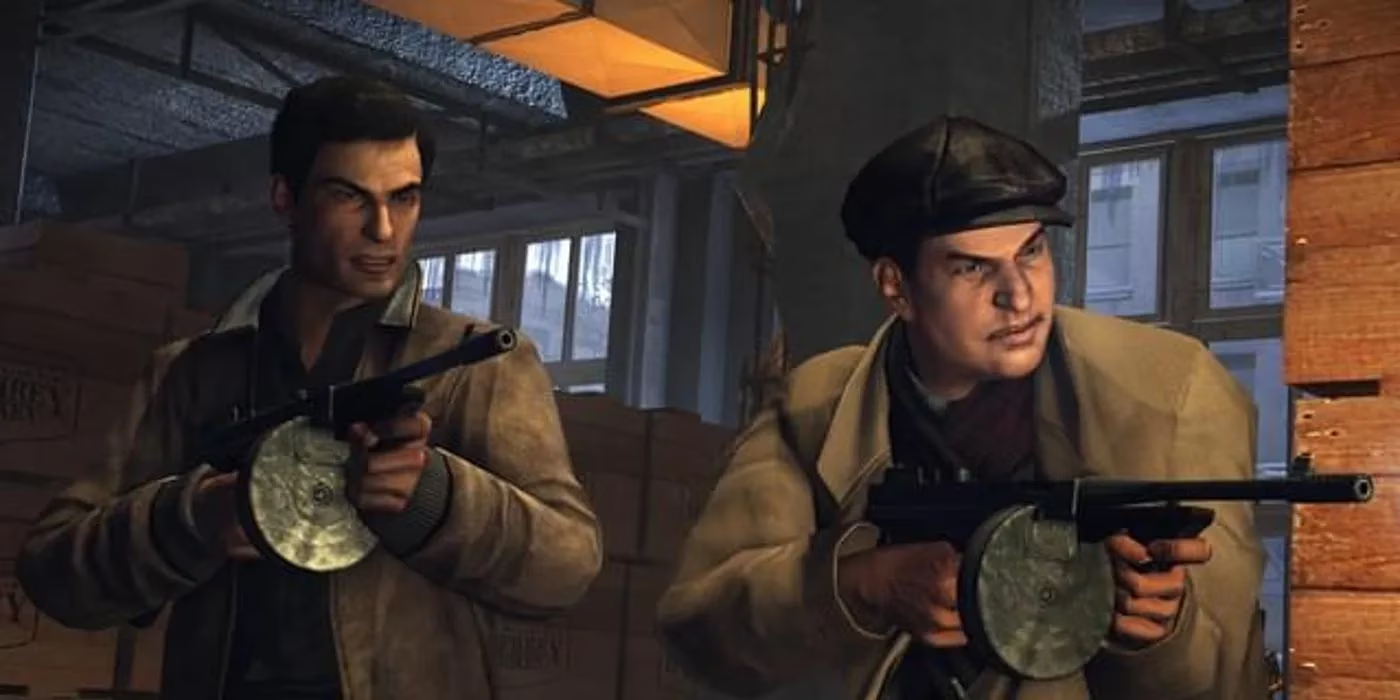
2K’s 2010 mob drama Mafia 2 was a solid crime saga that broke records for its colorful language, but the original vision was far more ambitious. Early plans called for four different endings, weaving a branching narrative around Vito Scaletta’s rise and fall. Imagine the replayability! Instead, the final product funneled everyone into one linear conclusion, which, while well-written, left a lot of “what could’ve been” vibes floating around. It’s no secret that development was a bumpy ride, and the multi-ending idea was probably just too big of a beast to wrangle. A real kick in the teeth for players who love seeing their choices matter.
The Last of Us
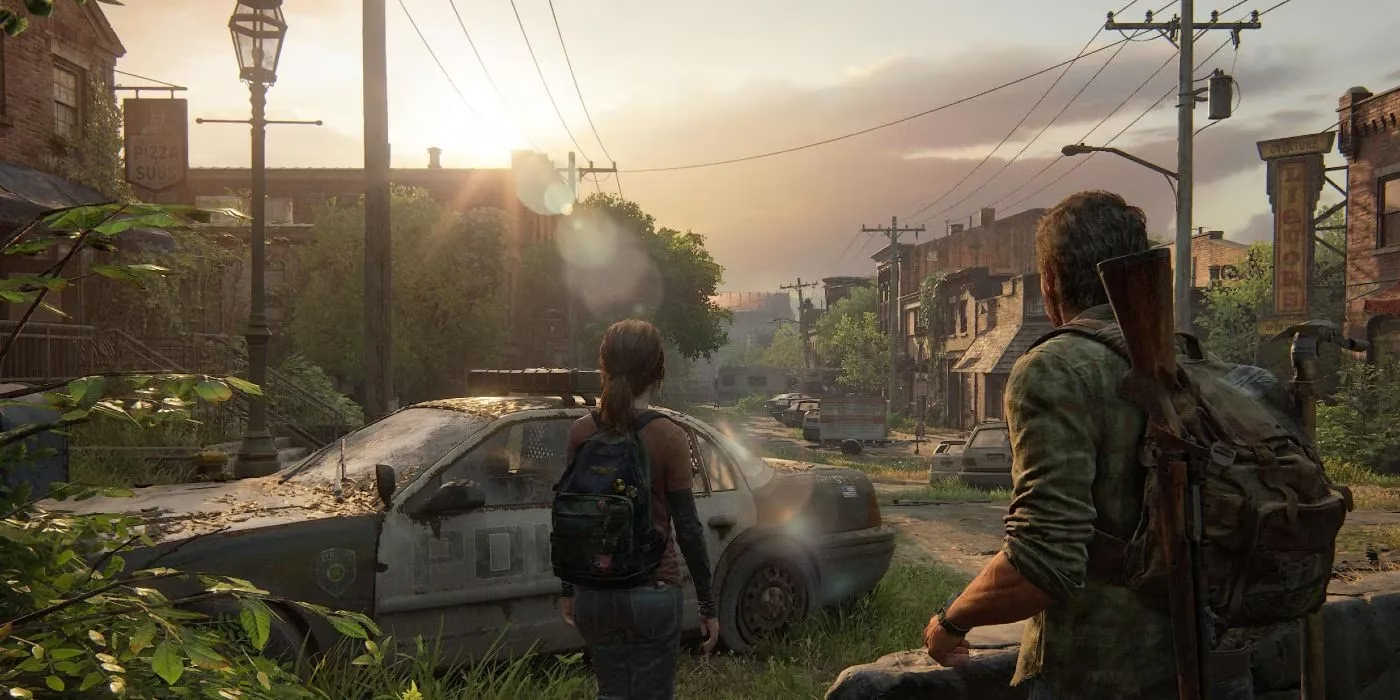
Naughty Dog’s 2013 emotional gut-punch is a PlayStation icon, and its bleak, morally grey ending is a huge reason why. Joel’s decision to save Ellie and doom the Fireflies’ cure still sparks heated debates at every gaming party. But hold onto your shivs—the original ending was going to be a lot more sunshine and rainbows. A much more optimistic finale was on the table, one that would’ve undercut the entire weight of the journey. Imagine Joel and Ellie walking off into a post-pandemic sunset with a clear conscience. That’s a no-go for a game built on tough choices. The team wisely scrapped it, leaving us with that haunting, \“okay\” moment that still sticks in the throat.
Destiny
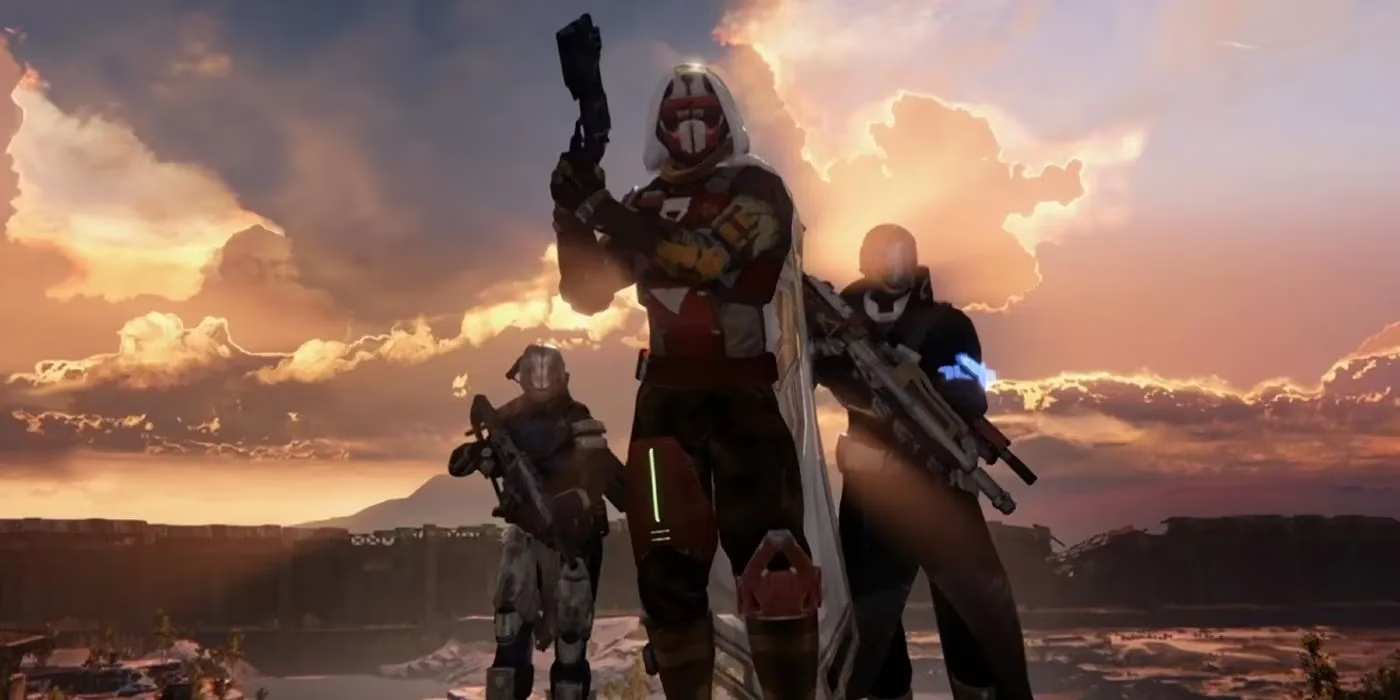
When Bungie dropped Destiny in 2014, the hype was through the roof. The gunplay? Chef’s kiss. The story? Well, that’s where things got messy. Behind the scenes, production was a real dumpster fire, and the original narrative arc got ripped to shreds. While we don’t have a full blueprint of the first ending, whispers from insiders suggest Jason Jones’ initial universe was a far deeper, more coherent tale. What shipped was a fragmented mess that left Guardians scratching their helmets. The community pieced together the lore through grimoire cards, but the original climax—likely involving a more intimate confrontation with the Darkness—never saw the light of day. A classic case of big dreams meeting a brutal deadline.
Legacy of Kain: Soul Reaver
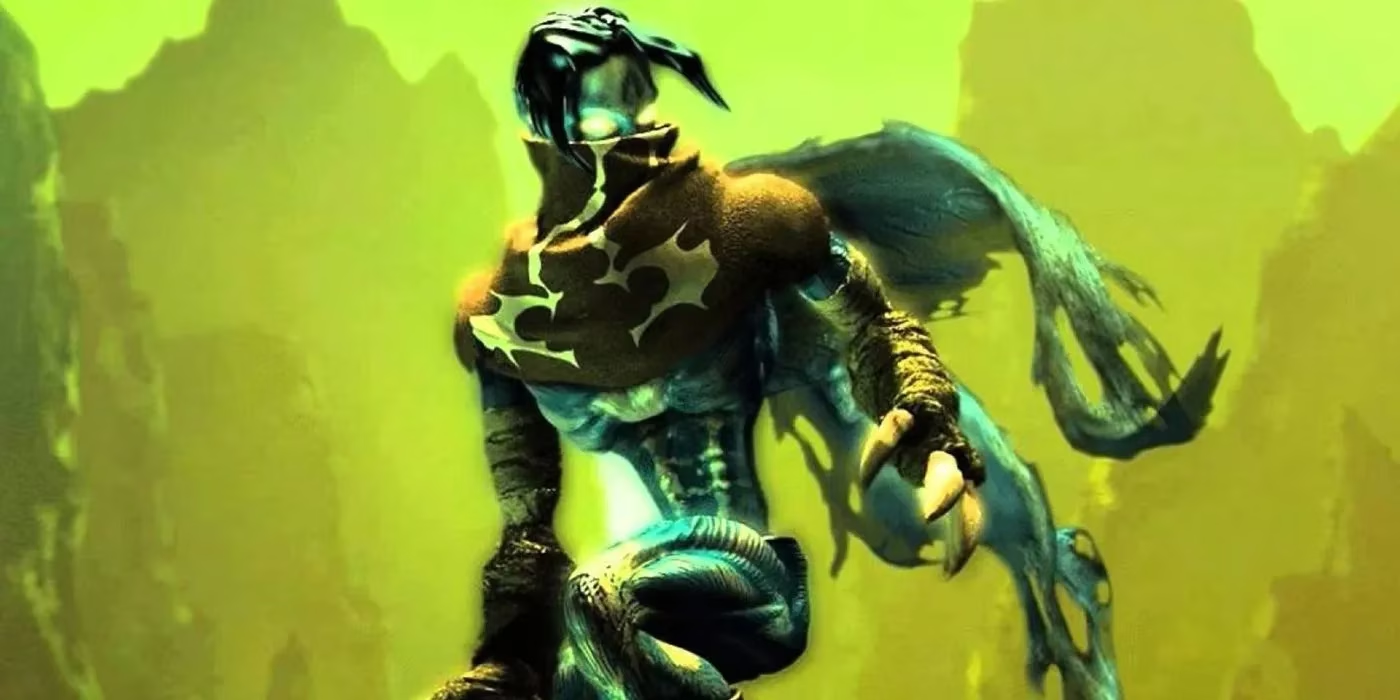
Before Crystal Dynamics rebooted Tomb Raider, they crafted the dark fantasy masterpiece Soul Reaver. This gothic tale of revenge and fate is a stone-cold classic, but its ending lands with a bit of a thud—Raziel lets Kain slip away, setting up a sequel. The original plan? A definitive, cathartic showdown where Raziel actually defeats Kain. The dev team went so far as to record the audio for this climactic battle. Then, the suits stepped in and decided to extend the franchise, so the conclusion was sliced off and repurposed. It’s a textbook example of a cliffhanger born not from artistic vision but from corporate meddling. Still, the game’s atmospheric brilliance keeps it immortal.
Metal Gear Solid 4: Guns of the Patriots
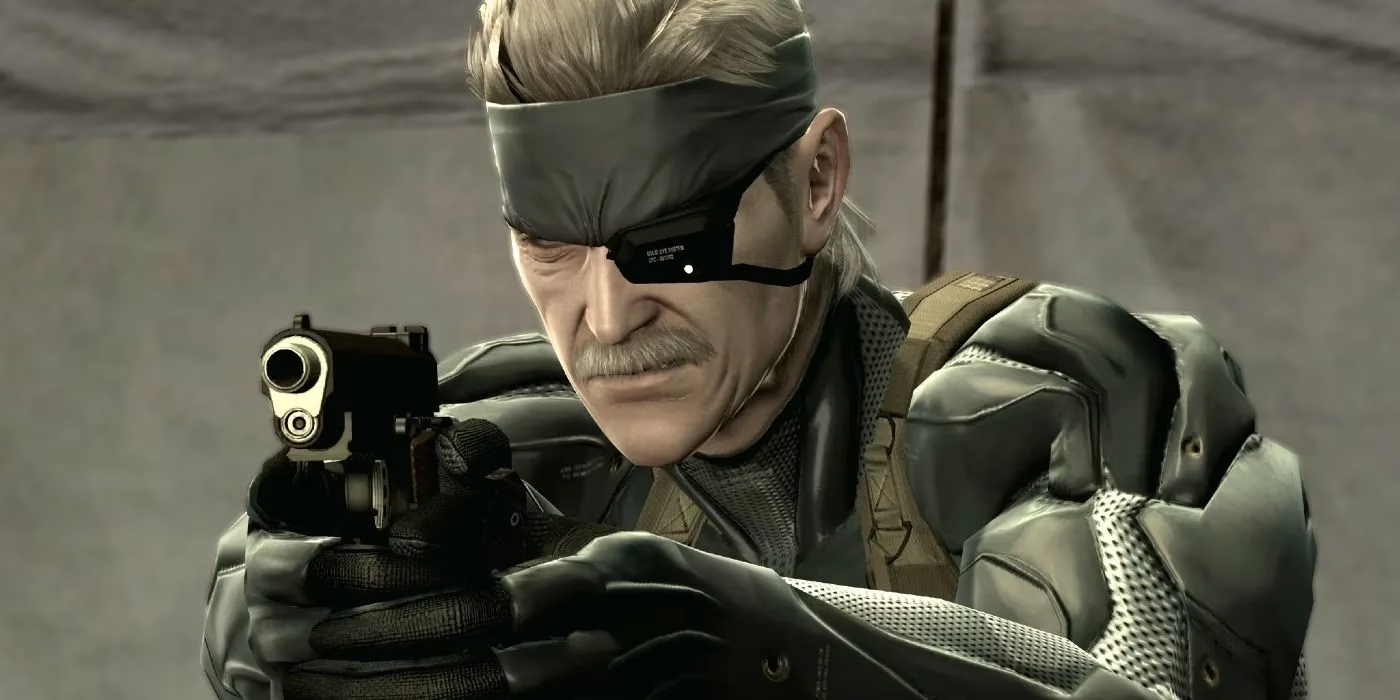
Hideo Kojima’s MGS4 is a magnum opus loaded with fan service and emotional payoff, but it nearly ended on the most downbeat note imaginable. The original script had Solid Snake and Otacon surrendering to the authorities, being tried for their crimes, and eventually executed. Yeah, you read that right—straight-up capital punishment for our heroes. The idea was to hammer home the theme of a dying era, but even Kojima’s team thought that was a bridge too far. The final act we got—Snake at the grave, a final gunshot—was already heavy enough. That deleted ending would’ve been a soul-crushing experience, leaving players in a puddle of tears and rage.
Uncharted 4: A Thief’s End
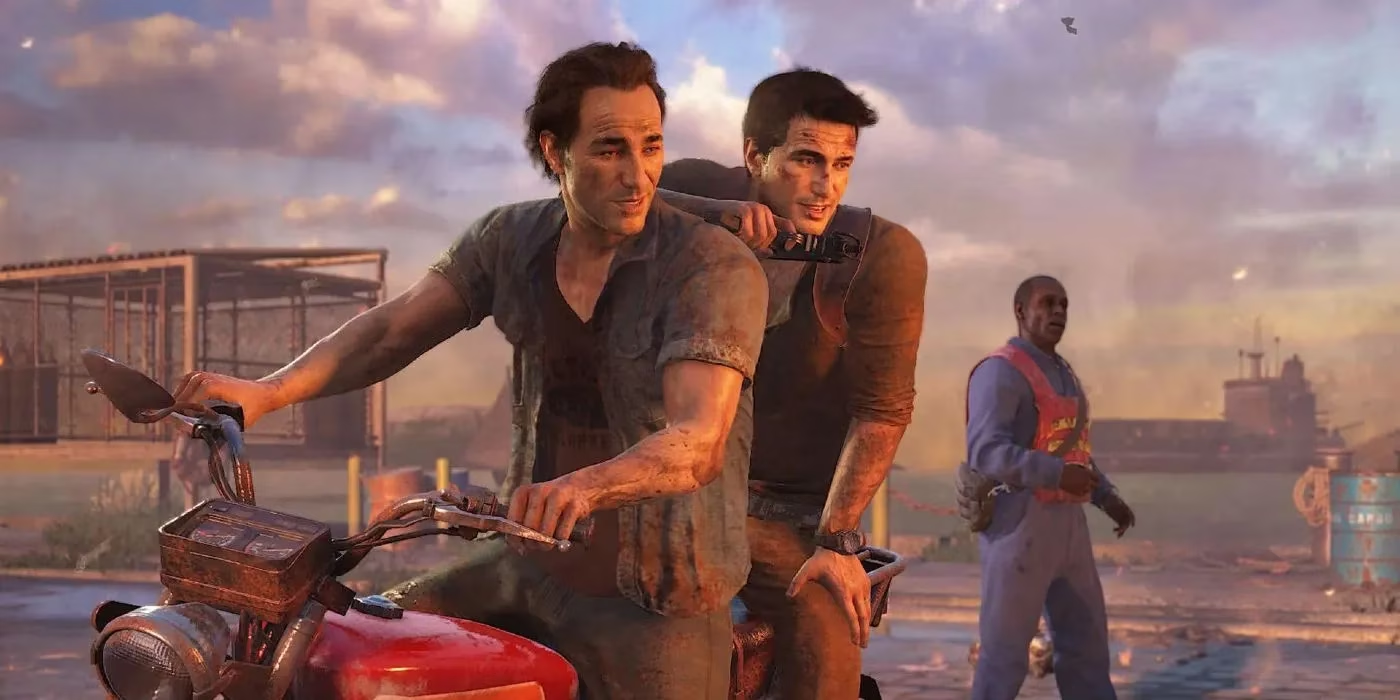
Naughty Dog’s treasure-hunting swan song gave Nathan Drake a well-earned happy ending, but it almost delivered a gut-wrenching brother-vs-brother twist. Instead of the final duel against the treacherous Rafe Adler, the original climax would have pitted Nathan against his long-lost brother Sam. Imagine the emotional damage: two siblings, swords drawn in a burning pirate ship, while Elena watches in horror. The team wisely realized that after such a white-knuckle adventure, players needed a satisfying resolution, not a family feud to the death. The change kept the tone consistent and let Nate ride off into the sunset—proof that sometimes, scrapping an idea is the real game-changer.
Prey (2017)
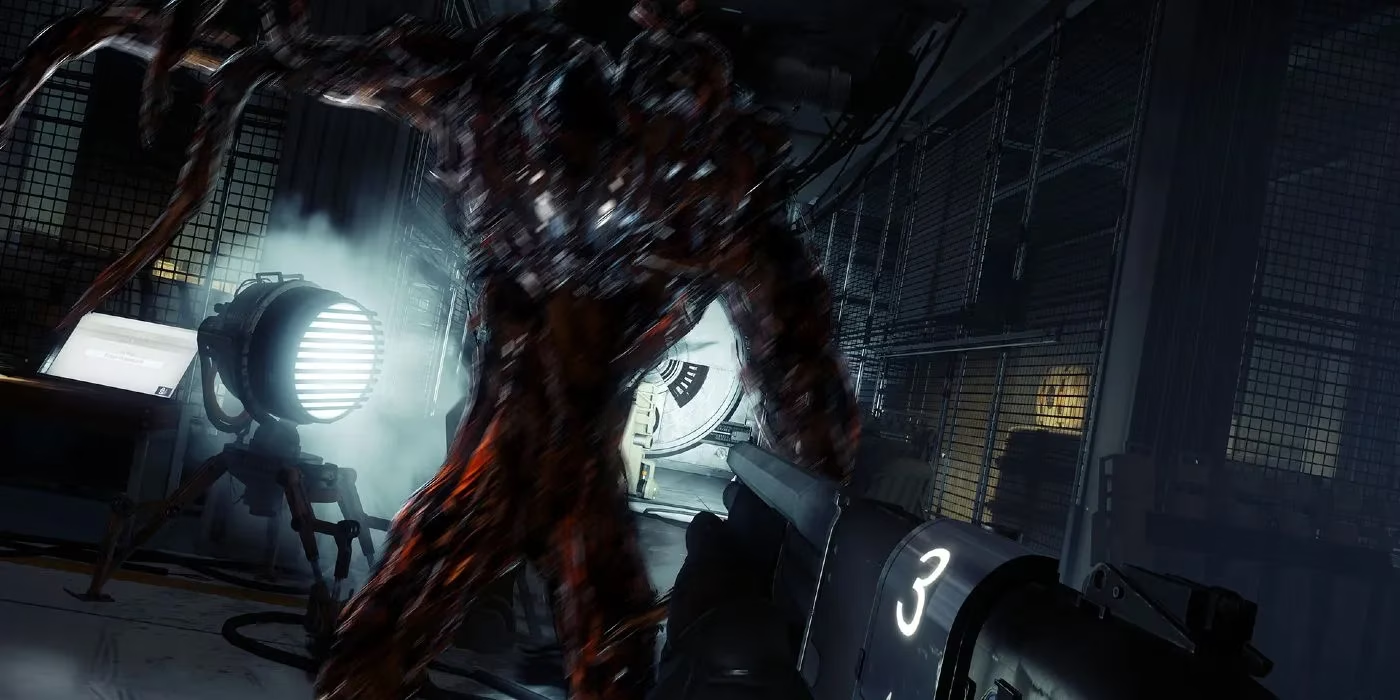
Arkane Studios’ Prey is an underrated gem that messes with your head from start to finish. That post-credits scene—where you learn the entire game was a simulation and you’re actually a Typhon hybrid—is one of the most mind-blowing twists in gaming. Yet, incredibly, Arkane nearly scrapped it. Executives worried the reveal was too confusing or would alienate players. Cutting it would’ve gutted the narrative’s central thesis about empathy and identity. Thank the mimics they kept it in, because that final sucker punch elevates the whole experience from great to \“are you kidding me?!\” brilliant. A prime example of a studio standing by its creative guns.
Halo 2
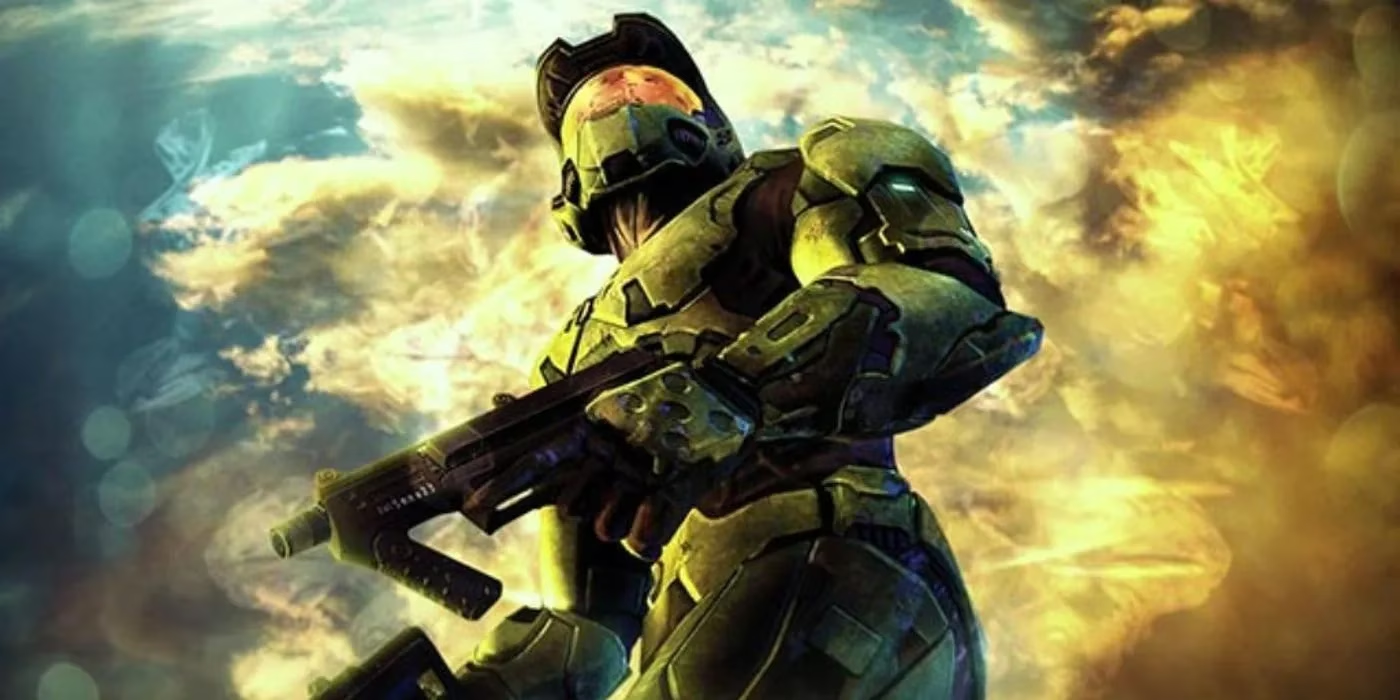
Bungie’s Halo 2 is a legendary game born from absolute chaos. The production was a nightmare of crunch, cut content, and a story that kept shifting. The infamous cliffhanger—Chief telling the Arbiter he’s going to \“finish the fight\”—was never the plan. The original ending was supposed to flow much smoother into Halo 3, with a more substantial resolution to the Covenant war and the Ark’s mystery. Early scripts had a larger-scale battle and a more definitive payoff for the Chief’s journey. Instead, time ran out, and the team had to slap on a sequel hook that became both iconic and a massive source of frustration. It’s the ultimate \“what if\” in FPS history.
Mass Effect 3
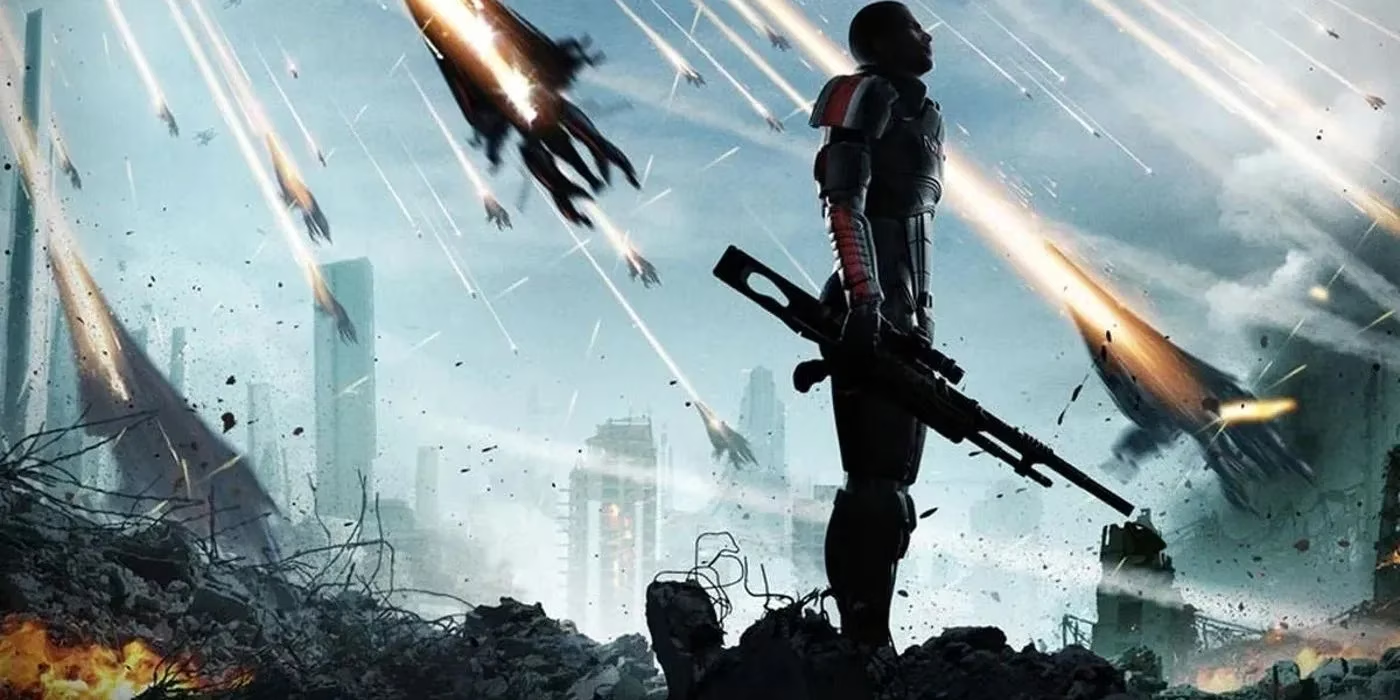
Even years after the Extended Cut, Mass Effect 3’s ending remains a hot potato. But believe it or not, the original conclusion was a completely different beast—and arguably worse. Instead of focusing on the Reaper War, the trilogy was going to revolve around dark energy causing stars to die prematurely. This thread was seeded in Mass Effect 2 with Tali’s recruitment mission. The Reapers would’ve been trying to stop this cosmic imbalance, and Shepard would’ve faced a choice based on that revelation. Bioware abandoned the dark energy plot late in development, pivoting to the organic-vs-synthetic theme we got. A real rollercoaster of \“what could’ve been,\” and a stark reminder that even the biggest franchises can fumble the finish line.
The above discussion is informed by coverage from Game Informer, and it highlights a common throughline across games like Deus Ex, Halo 2, and Mass Effect 3: endings are often the most vulnerable part of a project, where late-stage production realities can force sweeping rewrites, cliffhangers, or theme-shifting pivots that reshape how players remember the entire journey.
Discussion